
Recent parliamentary discussions on refugee management have brought renewed attention to a longstanding question: how will Malaysia build a refugee and asylum system that is clear, workable and grounded in protection?
At the same time, concerns over increased immigration raids, arrest, detention and deportation of Myanmar nationals, including people who may be in need of international protection, reinforce the urgency of putting stronger safeguards in place.
In solidarity with our partners at the End Detention Network (EDN), Yayasan Chow Kit is sharing the policy brief, Towards a National Asylum Framework in Malaysia, which sets out practical steps towards a more sustainable, rights-based national approach.
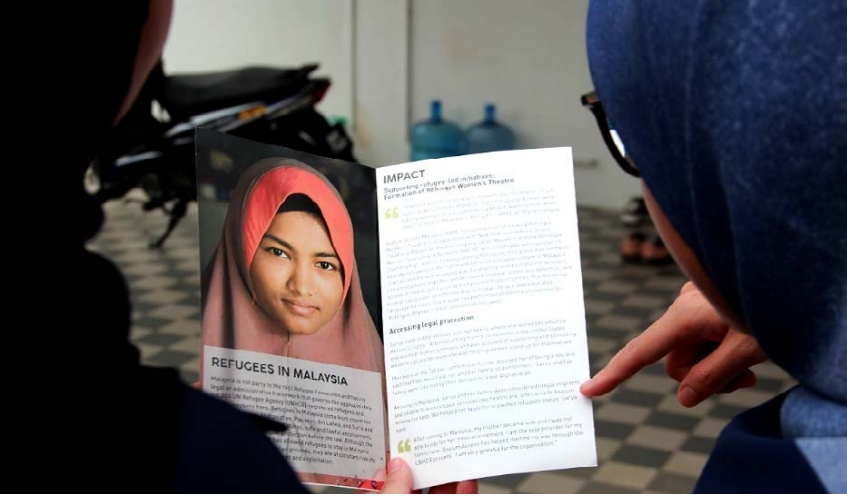
Malaysia has more than 215,000 registered refugees and asylum seekers, including thousands of children. Yet without a clear legal framework governing their protection and status, refugees and asylum seekers continue to live with uncertainty and remain vulnerable to arrest, detention and other protection risks.
Recent administrative measures, including the Dokumen Pendaftaran Pelarian (DPP) under MKN Directive No. 23, signal movement towards a more structured national approach. But administrative measures alone are not enough.
Malaysia needs a national asylum framework grounded in law, that establishes clear responsibilities, safeguards fundamental rights and provides greater certainty for both people seeking protection and the government agencies responsible for managing refugee and asylum matters.

A national framework cannot be developed or implemented effectively by government alone.
We call on policymakers to move beyond debate and work towards a clear, rights-based National Asylum Framework, developed and implemented through meaningful engagement with all relevant stakeholders.
This must include refugee and affected communities themselves, civil society organisations, child-rights and protection actors, service providers, UNHCR, legal experts, and relevant government ministries and agencies at both policy and operational levels.

Their experience and expertise matter. Those directly affected by existing policies, as well as groups working alongside refugee communities, can identify where systems break down. This includes challenges with registration and documentation, arrest and detention, access to essential services, child protection, and safeguards against return to situations where people may face serious harm.
Meaningful consultation can help ensure that new policies work effectively, are accountable and protective in practice.
Malaysia can establish clear legal safeguards, strengthen inter-agency coordination, create accessible protection mechanisms and ensure that implementation reflects the realities faced by refugees and asylum seekers.
Children and families cannot remain indefinitely in legal uncertainty while policy discussions continue. Malaysia has an opportunity to build a system that protects human dignity while providing the clarity, accountability and structure needed for effective refugee management.
Read & Download the Policy Brief Extract.

For inquiries or to request access to the full analysis, please contact the End Detention Network at endchilddetentionmy@gmail.com.